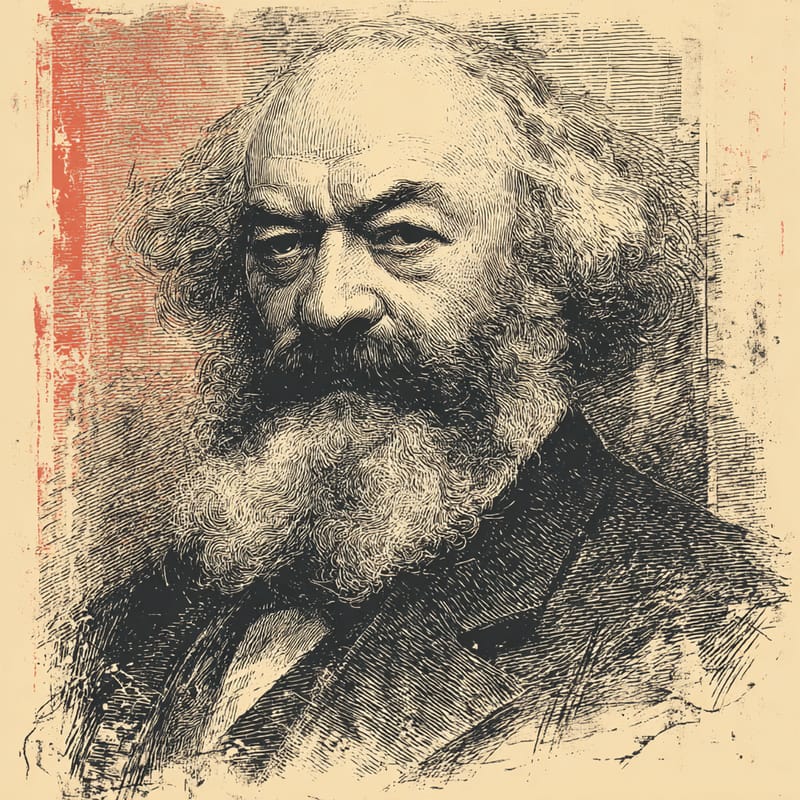
Mikhail Bakunin
Liberty without the state
The founder of collectivist anarchism.
Reformist Anarcho-CollectivistOne of 729 ideologies · enter the Anarcho-Collectivist hall →- Role
- Revolutionary & theorist
- Era
- 1814–1876
- Region
- Russia
- Social band
- Reformist
- Placement
- −54 · −95 · +58
§ Where Mikhail Bakunin stands
3 axesBakunin's collectivism called for land, factories and tools to belong to workers' associations and agricultural communes, and in 1869 his motion to abolish inheritance won the most votes at the International's Basel congress, though not a majority. But he stopped short of communism: products would be distributed according to labour performed rather than need, and he opposed forcing peasants into collectives.
Here Bakunin was absolute: the state must be destroyed, not captured. Against Marx he warned that a workers' state would create a new privileged minority ruling in the people's name, an argument developed in Statism and Anarchy (1873), and he looked instead to a free federation of communes and associations built from the bottom up.
Bakunin was militantly secular and emancipatory. God and the State, written in 1871 and published in 1882, inverted Voltaire to argue that if God really existed it would be necessary to abolish him, and his programmes demanded equality between the sexes. His progressivism is marred by the antisemitic and anti-German prejudice of his polemics against Marx.
How close are you to Mikhail Bakunin?
Three statements, one per axis. Answer them and we’ll drop you on the compass next to them.
§ The story
HistoricalMikhail Alexandrovich Bakunin (1814–1876) was born at Premukhino, his family's estate in Tver province, into the Russian landed nobility. He trained as an artillery officer but resigned his commission, threw himself into Hegelian philosophy in Moscow and Berlin, and became a revolutionary in the 1840s. Arrested after the Dresden uprising of 1849, he was sentenced to death in Saxony and Austria, handed over to Russia and imprisoned until 1857, then exiled to Siberia, from which he escaped in 1861 via Japan and the United States to London.
In the 1860s Bakunin turned from pan-Slav revolutionary nationalism to anarchism, founding the International Alliance of Socialist Democracy in 1868 and joining the First International, where his clash with Karl Marx over the state ended in his expulsion at The Hague in 1872. His followers formed the anti-authoritarian International and spread his collectivist anarchism through Spain, Italy and Switzerland. His legacy is shadowed by his association with the ruthless conspirator Sergei Nechayev, his taste for secret hierarchical societies, and antisemitic and anti-German invective in his polemics against Marx.
Notable for
- 01Founded collectivist anarchism
- 02Split with Marx in the First International
- 03'God and the State'
Key works & moments
- 1842Publishes The Reaction in Germany, a Left Hegelian call to revolutionary destruction.
- 1849Arrested after the Dresden May Uprising; later handed over to Russia and imprisoned.
- 1861Escapes Siberian exile via Japan and the United States, reaching London.
- 1868Founds the International Alliance of Socialist Democracy and joins the First International.
- 1872Expelled from the International at The Hague; anti-authoritarians regroup at Saint-Imier.
- 1873Publishes Statism and Anarchy, warning that a Marxist workers' state would become a new despotism.
In their own words
“We are convinced that liberty without socialism is privilege and injustice, and that socialism without liberty is slavery and brutality.”
“The passion for destruction is a creative passion, too!”
§ Minds closest to Mikhail Bakunin
All minds →
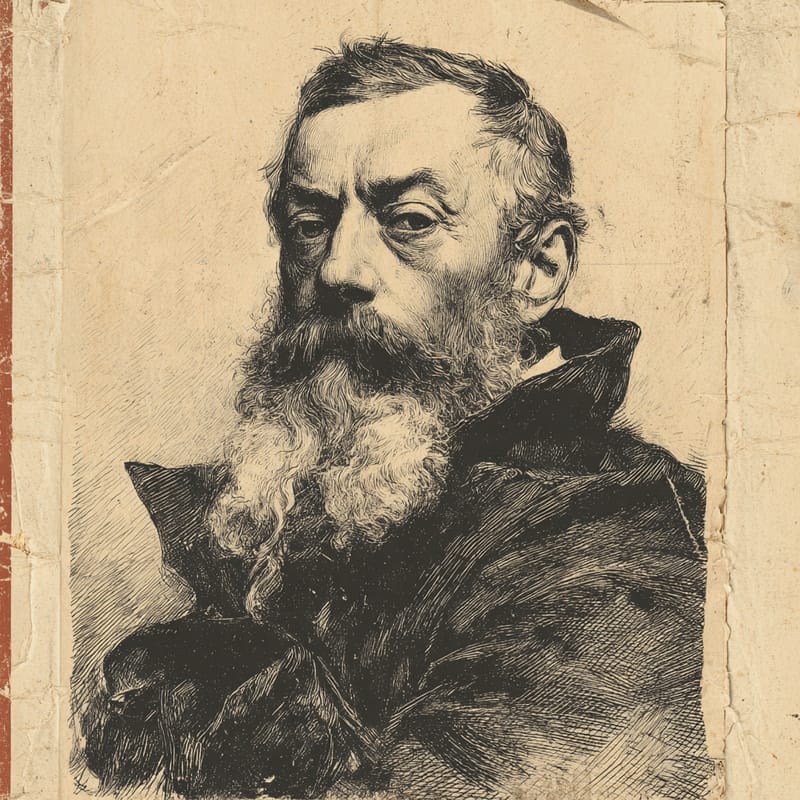
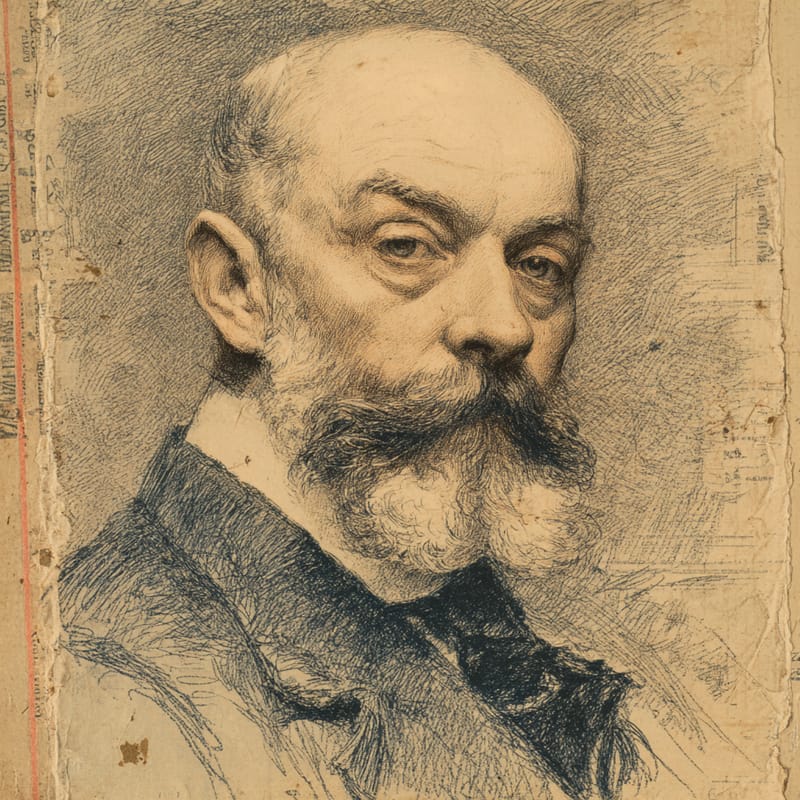
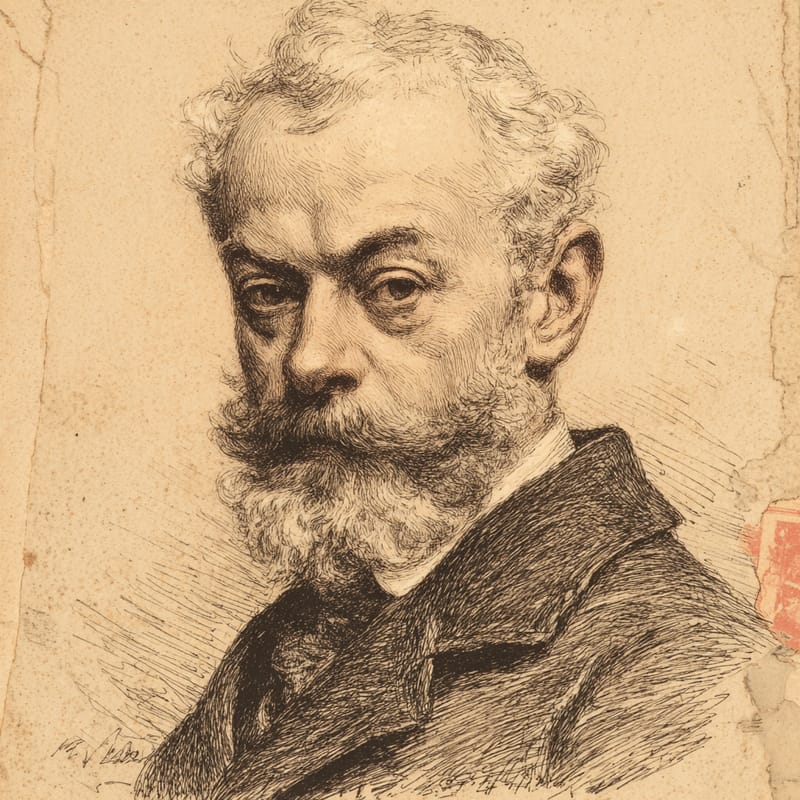

§ Also in the Anarcho-Collectivist hall
Enter the hall →The closest minds above are this hall’s whole roster.
§ Common questions
4 answersWhat was Mikhail Bakunin's political ideology?
Mikhail Bakunin was the founder of collectivist anarchism: on the 99ideologies three-axis compass, a Reformist Anarcho-Collectivist. Economically he sat left of centre (−54), wanting land and the means of production owned by workers' associations while rewarding people according to the labour they performed. On governance he was at the libertarian extreme (−95), demanding the destruction of the state, and socially he was progressive (+58), a militant atheist who called for equality between the sexes.
Was Mikhail Bakunin left-wing or right-wing?
Left-wing. Bakunin was a revolutionary socialist who wanted to abolish private ownership of the means of production, inheritance and the state, and he was a leading figure of the First International. He belongs to its libertarian wing: his quarrel with Marx was over means more than ends, since he believed any workers' state would become a new tyranny. His economic programme was more moderate than later anarchist communism, rewarding labour rather than distributing according to need.
What was the dispute between Bakunin and Marx?
At its core it was about the state. Marx argued that workers should win political power, through parties and if necessary a dictatorship of the proletariat, and use it to abolish classes; Bakunin answered that any such state would create a new ruling elite and must be destroyed at once. They also clashed over organisation, Marx's centralised General Council against Bakunin's federalism and secret networks. The feud split the First International, which expelled Bakunin at The Hague in 1872.
Which minds are closest to Mikhail Bakunin?
On the 99ideologies three-axis compass, the minds closest to Mikhail Bakunin are The Free Commune (archetype) (99% alike), James Guillaume (97% alike) and Carlo Cafiero (96% alike). The furthest is Adam Sutler (0% alike).