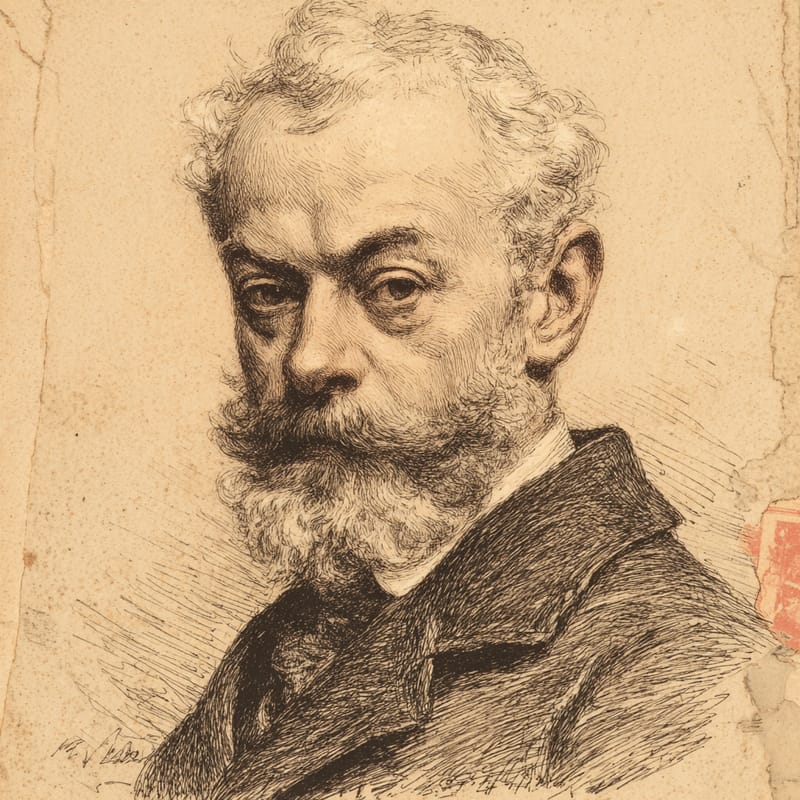
Adhémar Schwitzguébel
The watchmakers' anarchist
Artisan collectivism in the Jura.
Reformist Anarcho-CollectivistOne of 729 ideologies · enter the Anarcho-Collectivist hall →- Role
- Engraver & organiser
- Era
- 1844–1895
- Region
- Switzerland
- Social band
- Reformist
- Placement
- −50 · −90 · +46
§ Where Adhémar Schwitzguébel stands
3 axesSchwitzguébel's collectivism grew out of artisan trades: he wanted workshops and tools held by workers' associations, with members rewarded according to their labour. The Jura sections he organised championed the collectivist resolutions of the International, such as the Basel congress's 1869 vote for collective ownership of land, and built resistance funds against the watch manufacturers.
He rejected both the state and a centralised International. Schwitzguébel helped found the Jura Federation at Sonvilier in 1871, whose circular attacked the General Council's authoritarianism, and at The Hague in 1872 sided with Bakunin and Guillaume, who were expelled there, after which the anti-authoritarian International was founded at nearby Saint-Imier on federalist principles.
Schwitzguébel's progressivism was practical and secular: he valued workers' self-education, solidarity and the dignity of skilled labour more than cultural rebellion. His Jura milieu, in which leaders and members met as equals, was what Kropotkin later held up in Memoirs of a Revolutionist (1899) as the model of an egalitarian movement.
How close are you to Adhémar Schwitzguébel?
Three statements, one per axis. Answer them and we’ll drop you on the compass next to them.
§ The story
HistoricalAdhémar Schwitzguébel (1844–1895) was a watch engraver from Sonvilier, in the Saint-Imier valley of the Bernese Jura, the heart of Switzerland's watchmaking industry. He joined the First International as a young craftsman in the 1860s and became one of the leading organisers of its Jura sections, representing them at International congresses and helping to found the Jura Federation at Sonvilier in 1871.
With James Guillaume, Schwitzguébel was among the most prominent working-class leaders of the anti-authoritarian International after the 1872 split, which was formalised at the Saint-Imier congress in his home valley. His milieu of independent, self-educated artisans also shaped Peter Kropotkin, who credited his 1872 visit to the Jura watchmakers with making him an anarchist. More organiser than theorist, he remained a figure of the Jura labour movement until his death in 1895, a symbol of the skilled craftsmen who formed anarchism's first working-class base.
Notable for
- 01Jura Federation leader
- 02Artisan labour organising
- 03First International delegate
Key works & moments
- 1860sJoins the First International as a young engraver in the Saint-Imier valley.
- 1871Helps found the Jura Federation at a congress in his home village of Sonvilier.
- 1872Represents the Jura at the International's Hague congress, which expels Bakunin and Guillaume.
- 1872The anti-authoritarian International is founded at Saint-Imier, in his home valley.
- 1880The Jura Federation, which he helped lead, adopts anarchist communism at La Chaux-de-Fonds.
§ Minds closest to Adhémar Schwitzguébel
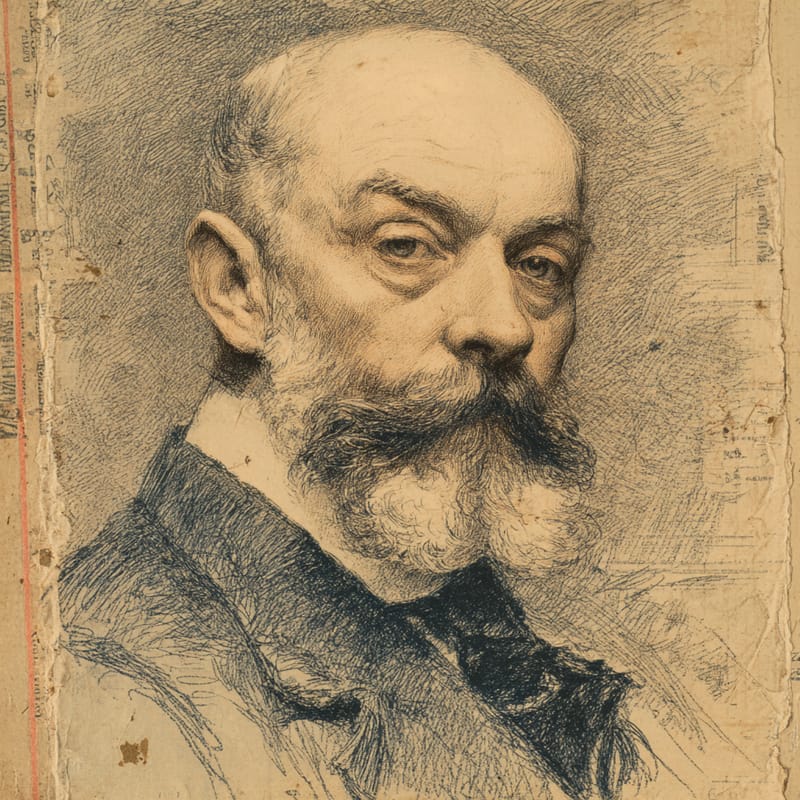
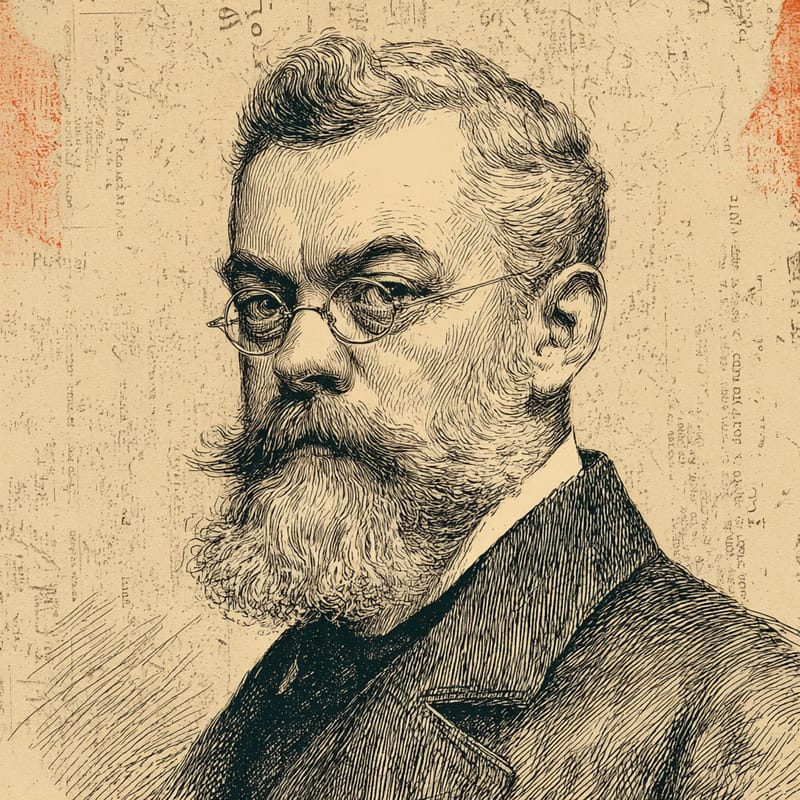
All minds →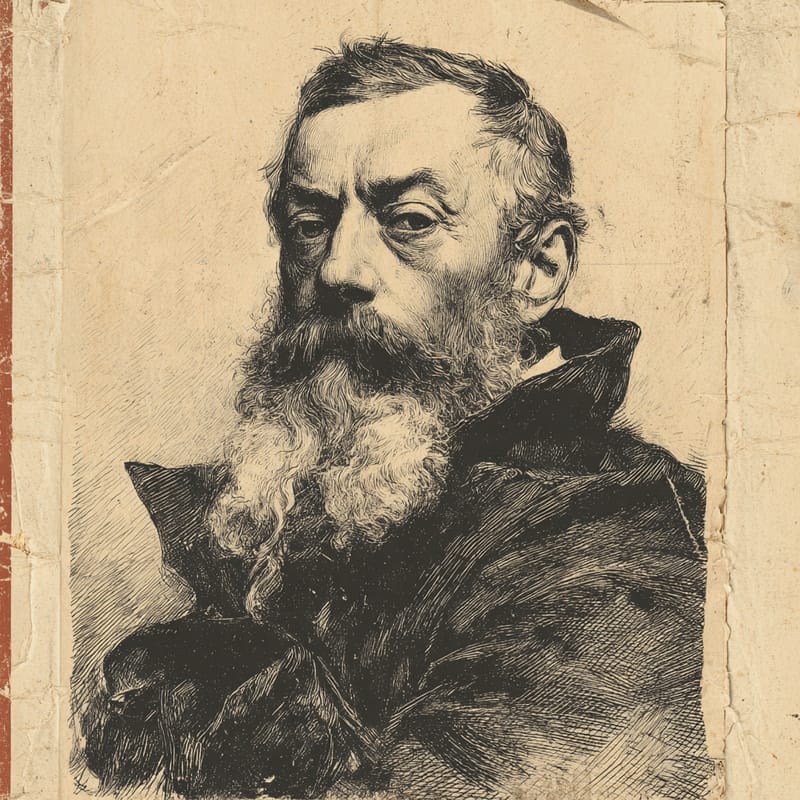

§ Also in the Anarcho-Collectivist hall
Enter the hall →The closest minds above are this hall’s whole roster.
§ Common questions
4 answersWhat was Adhémar Schwitzguébel's political ideology?
Adhémar Schwitzguébel was a collectivist anarchist and organiser of the Jura watchmakers: on the 99ideologies three-axis compass, a Reformist Anarcho-Collectivist. Economically he sat left of centre (−50), wanting workshops and tools held by workers' associations with rewards according to labour. On governance he was strongly libertarian (−90), helping to build the anti-authoritarian, federalist International, and socially he was moderately progressive (+46), a secular champion of workers' education and the dignity of skilled labour.
Was Adhémar Schwitzguébel left-wing or right-wing?
Left-wing. Schwitzguébel spent his life organising workers against employers and fought for collective ownership of the means of production within the First International. He belonged to its anti-authoritarian wing, siding with Bakunin against Marx's General Council and rejecting the conquest of state power. His collectivism, rooted in the practical needs of skilled artisans, was more moderate than later anarchist communism, and his politics centred on solidarity and organisation rather than insurrection.
Why were Swiss watchmakers drawn to anarchism?
Because their work and communities suited self-government. Jura watchmaking in the 1860s and 1870s was largely done by skilled artisans in small workshops and homes, with a tradition of education, independence and mutual aid, while competition and economic crisis pressed on their livelihoods. Federalist, anti-authoritarian socialism matched that experience better than a centralised party. Kropotkin, visiting in 1872, was struck that leaders and members met as equals, and wrote in his memoirs that the experience made him an anarchist.
Which minds are closest to Adhémar Schwitzguébel?
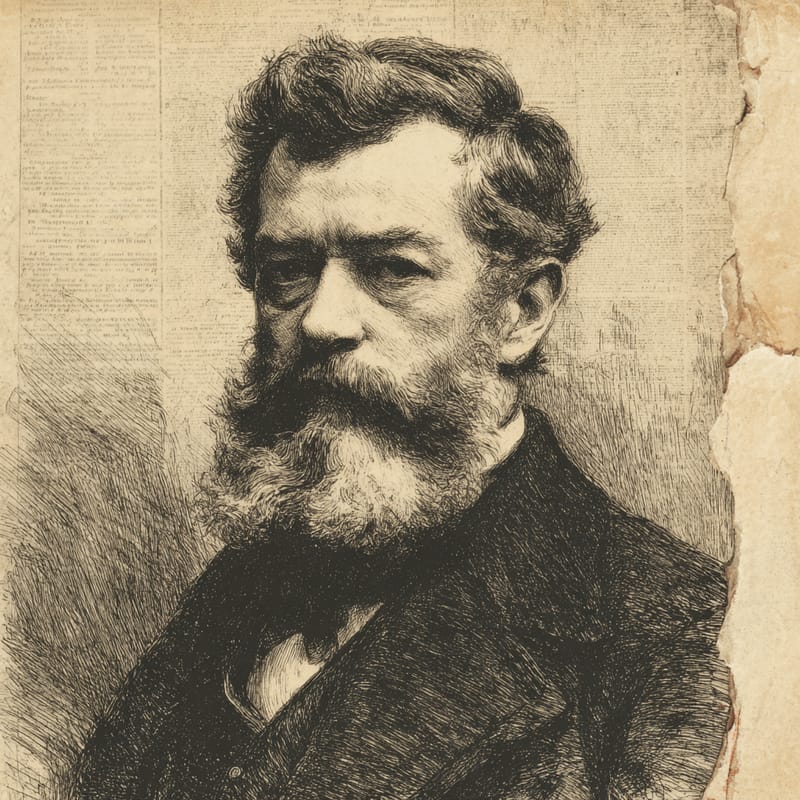
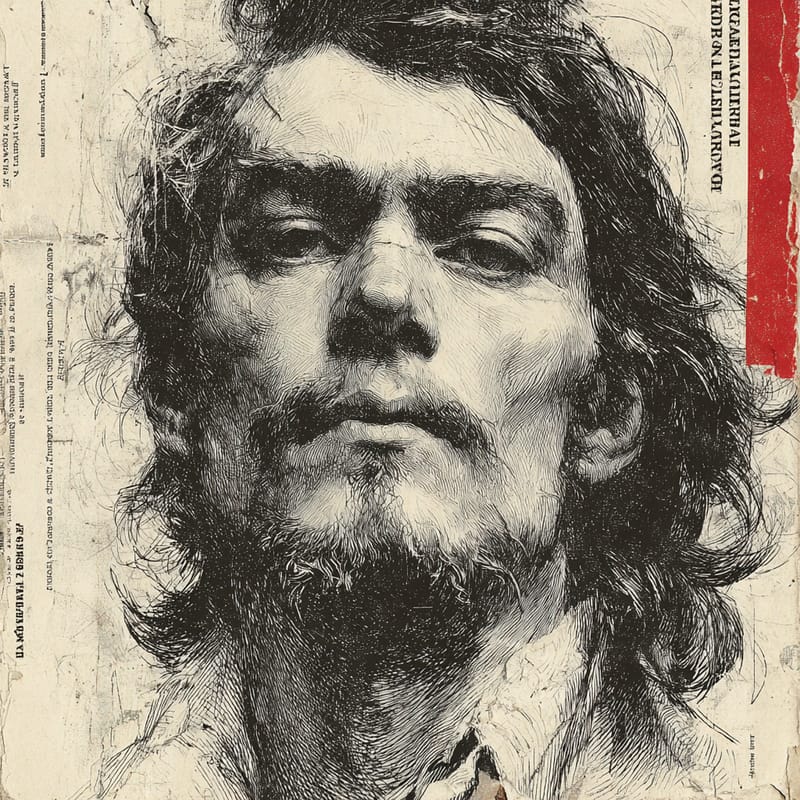
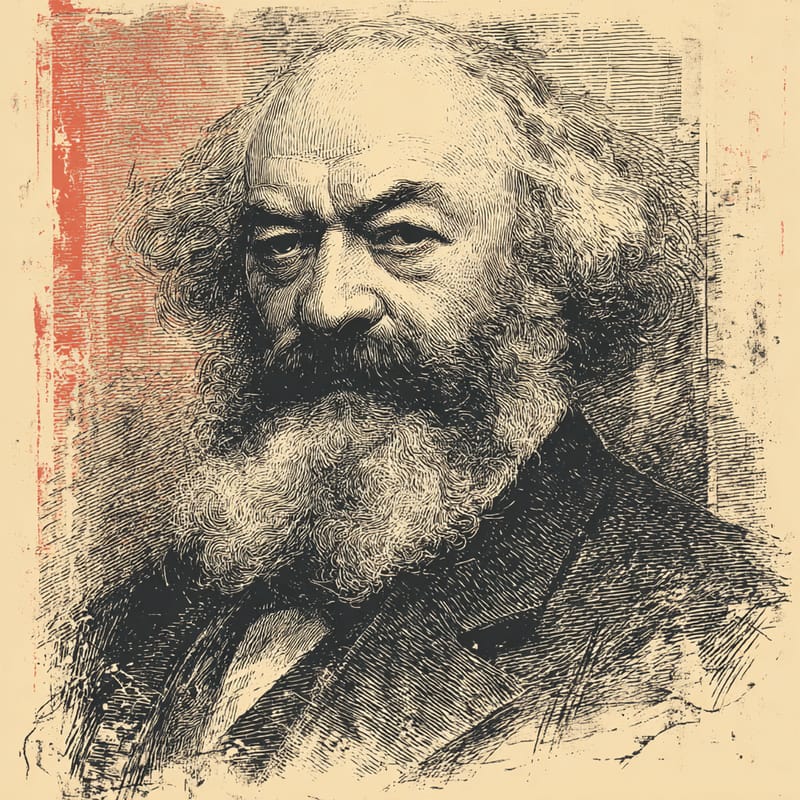
On the 99ideologies three-axis compass, the minds closest to Adhémar Schwitzguébel are Giuseppe Fanelli (99% alike), Rafael Farga Pellicer (98% alike) and James Guillaume (97% alike). The furthest is Adam Sutler (0% alike).