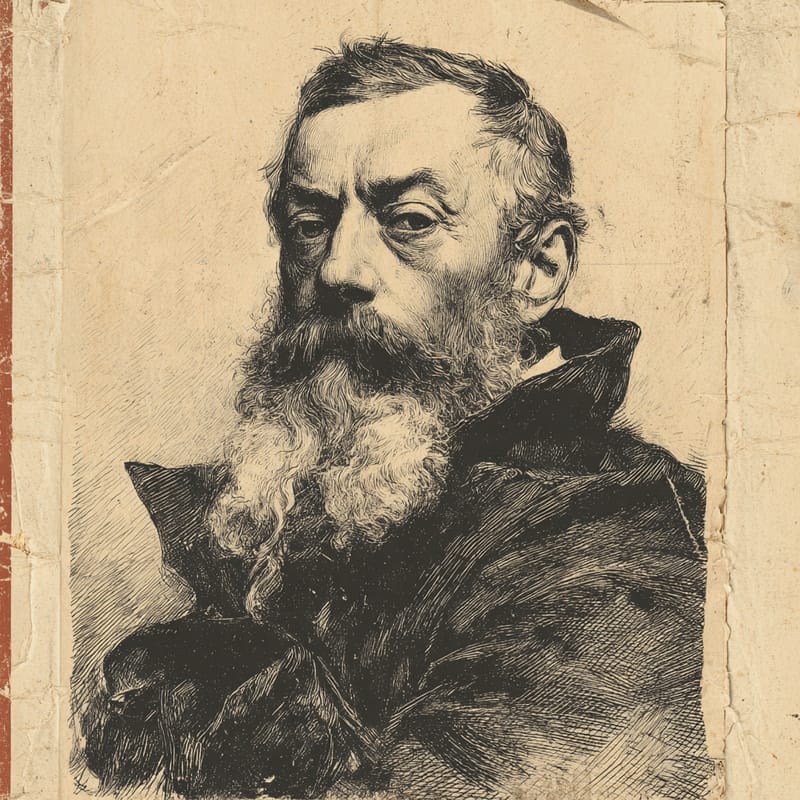
Giuseppe Fanelli
Carried anarchism to Spain
One journey that seeded a movement.
Reformist Anarcho-CollectivistOne of 729 ideologies · enter the Anarcho-Collectivist hall →- Role
- Apostle of anarchism
- Era
- 1827–1877
- Region
- Italy / Spain
- Social band
- Reformist
- Placement
- −52 · −91 · +48
§ Where Giuseppe Fanelli stands
3 axesFanelli preached the collectivism of Bakunin's Alliance: land and the instruments of labour were to become the collective property of workers' associations, and the right of inheritance was to be abolished. Rewards would follow labour performed rather than need, the moderate left position that Spanish anarchism kept into the 1880s.
He carried an explicitly anti-state message: the Alliance's programme rejected political action not aimed directly at the workers' triumph over capital and looked to the dissolution of existing states into a universal federation of free associations. The Spanish workers he converted adopted that line, and their 1870 Barcelona congress resolved to stay out of parliamentary politics.
Fanelli's message was secular and egalitarian: the Alliance programme declared itself atheist and demanded the political, economic and social equality of classes and of individuals of both sexes. His own political education came from Mazzinian republicanism, with its motto God and the People, before he broke with it for Bakunin's atheism.
How close are you to Giuseppe Fanelli?
Three statements, one per axis. Answer them and we’ll drop you on the compass next to them.
§ The story
HistoricalGiuseppe Fanelli (1827–1877) was a Neapolitan revolutionary who came of age in the Italian Risorgimento, fighting as a republican in the revolutions of 1848–49 and later in Giuseppe Garibaldi's campaigns. He sat in the Italian Chamber of Deputies in the 1860s, but in Naples in the middle of that decade he met Mikhail Bakunin, joined his secret revolutionary brotherhood and abandoned Mazzinian republicanism for anarchist collectivism.
In late 1868 Bakunin sent Fanelli to Spain. Speaking little or no Spanish, he addressed small groups of workers in Madrid and Barcelona in French and Italian, and members of the founding Madrid group, including Anselmo Lorenzo, later recalled being won over by his passion. The sections he seeded grew into the Spanish Regional Federation of 1870 and, ultimately, into the largest anarchist movement in history. He also left confusion, giving his converts the programme of Bakunin's Alliance alongside the International's statutes. He died in Naples in 1877.
Notable for
- 01Brought anarchism to Spain
- 02Founded Spanish collectivism
- 03First International envoy
Key works & moments
- 1848–49Fights as a republican in the Italian revolutions of 1848–49.
- 1860sMeets Bakunin in Naples and joins his secret revolutionary brotherhood.
- 1868Sent by Bakunin to Spain; converts a group of Madrid workers to the International.
- 1869In Barcelona, inspires the founding of the local section with Rafael Farga Pellicer and others.
- 1870The Barcelona workers' congress founds the Spanish Regional Federation of the International.
§ Minds closest to Giuseppe Fanelli
All minds →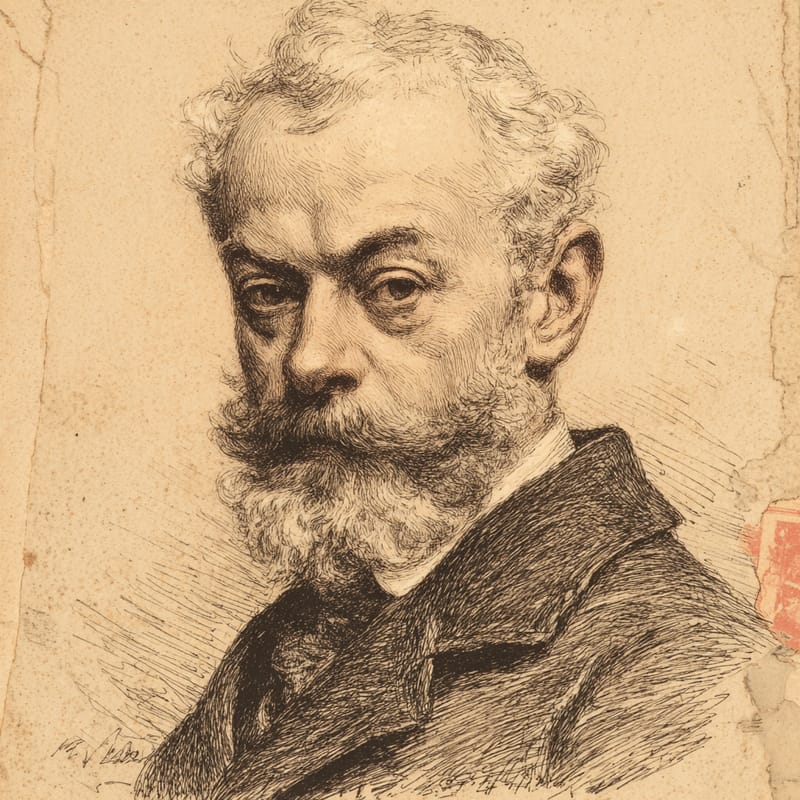
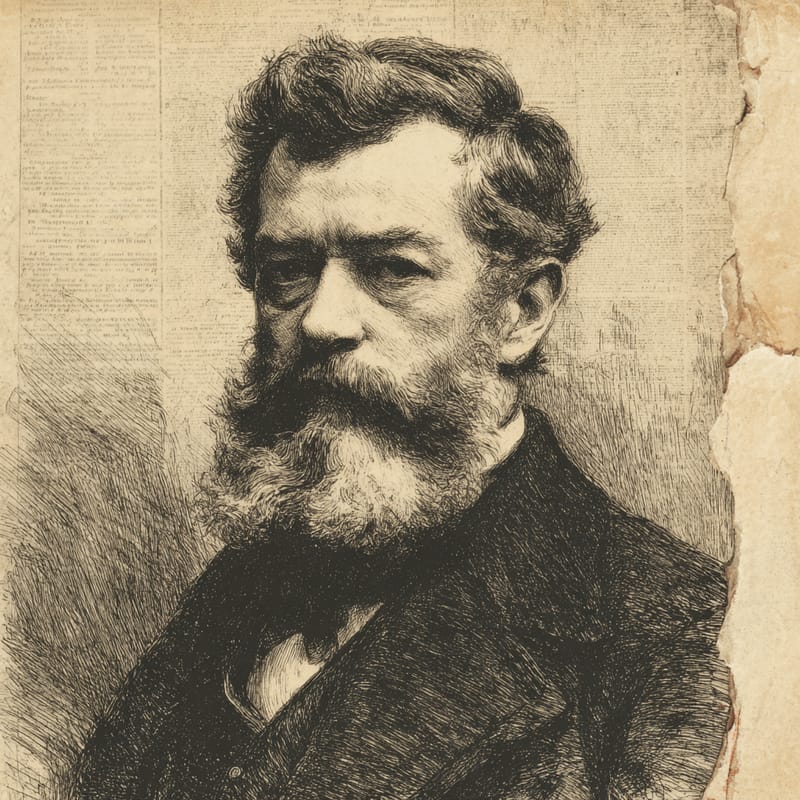
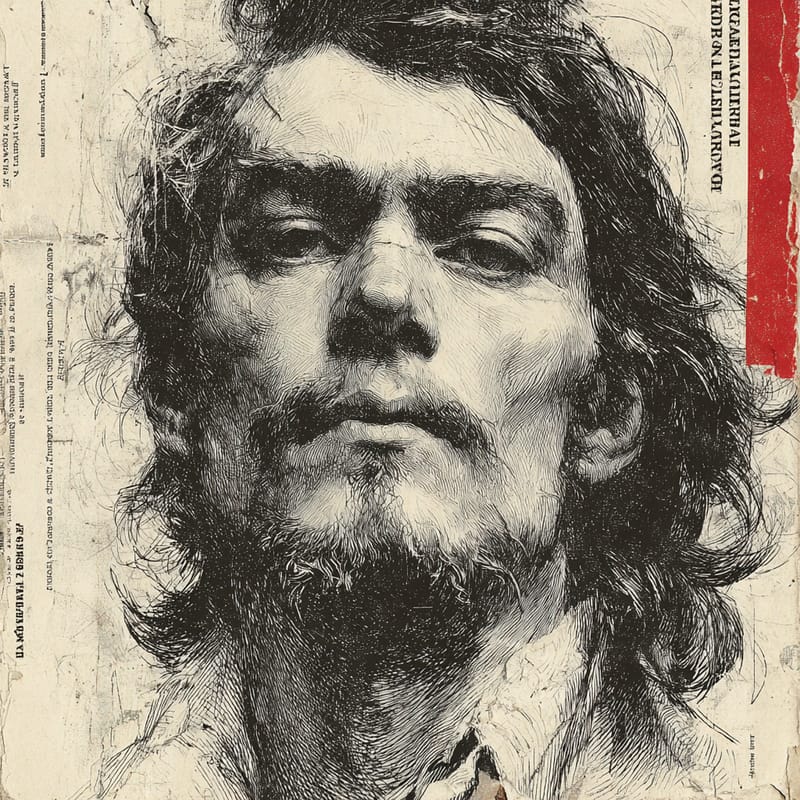
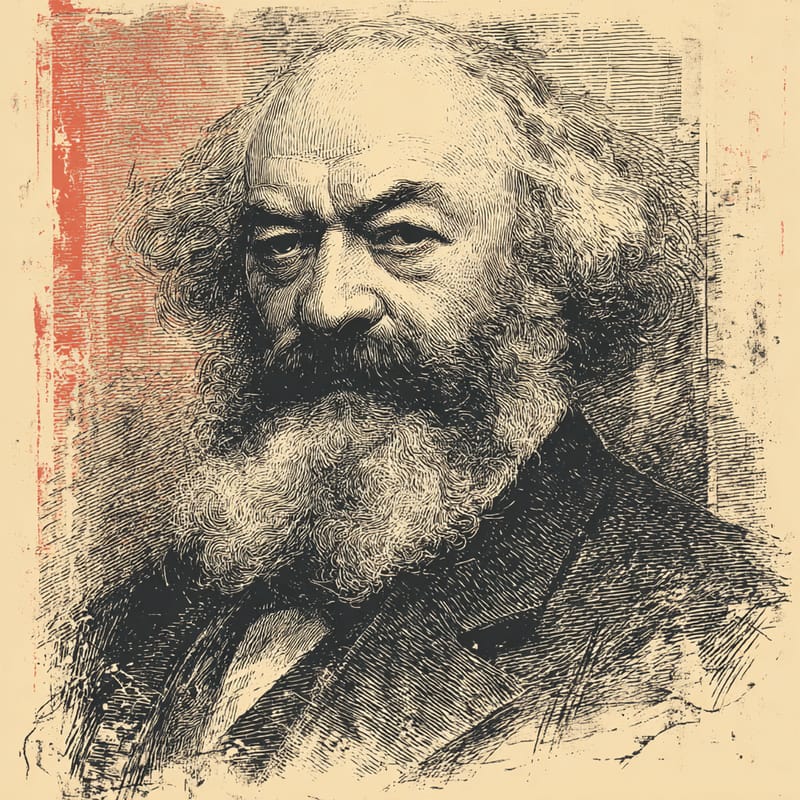

§ Also in the Anarcho-Collectivist hall
Enter the hall →The closest minds above are this hall’s whole roster.
§ Common questions
4 answersWhat was Giuseppe Fanelli's political ideology?
Giuseppe Fanelli was a Bakuninist collectivist anarchist: on the 99ideologies three-axis compass, a Reformist Anarcho-Collectivist. Economically he sat left of centre (−52), preaching collective ownership of land and tools by workers' associations with rewards according to labour. On governance he was strongly libertarian (−91), rejecting states and parliamentary politics in favour of free federation, and socially he was moderately progressive (+48), carrying an atheist, egalitarian programme to Spanish workers.
Was Giuseppe Fanelli left-wing or right-wing?
Left-wing. Fanelli began on the radical republican wing of the Italian Risorgimento and moved further left, becoming one of Bakunin's apostles of revolutionary socialism. He preached the abolition of private ownership of land and capital, of inheritance and of the state, which places him in the anti-authoritarian left. His collectivism, which rewarded labour rather than distributing by need, was more moderate economically than the anarchist communism that later rose in Italy.
How did anarchism come to Spain?
Largely through Fanelli's mission of 1868–69. Sent by Bakunin, he met small groups of workers and intellectuals in Madrid and Barcelona, and although he spoke little Spanish, his passion and the Alliance programme he brought won them over. These nuclei became sections of the First International and, at the Barcelona congress of 1870, the Spanish Regional Federation, which adopted Bakunin's anti-political collectivism. The tradition later produced the CNT, founded in 1910, which grew to more than a million members during the civil war.
Which minds are closest to Giuseppe Fanelli?
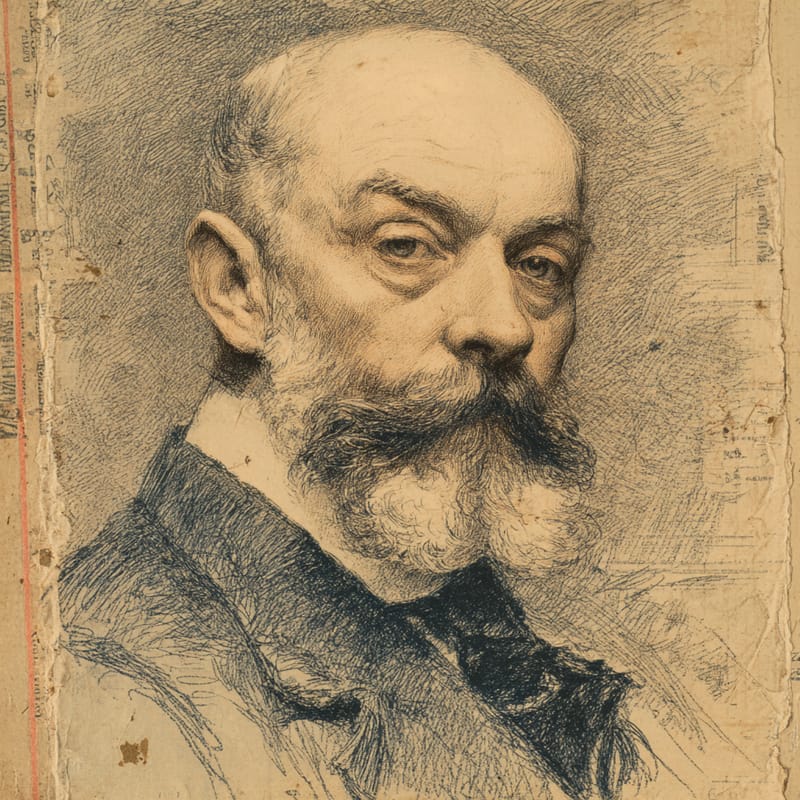
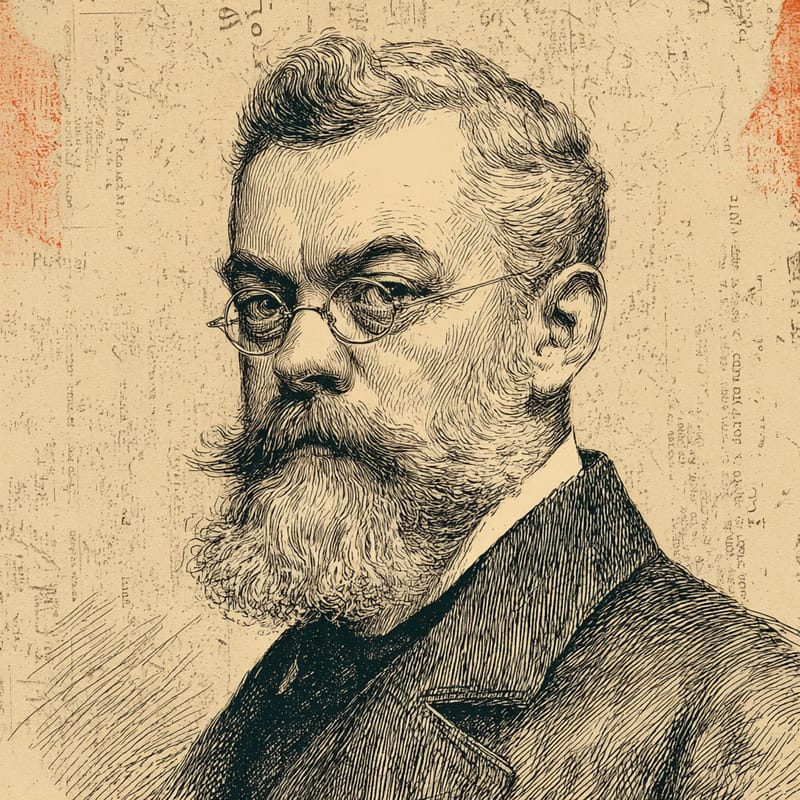
On the 99ideologies three-axis compass, the minds closest to Giuseppe Fanelli are Adhémar Schwitzguébel (99% alike), Rafael Farga Pellicer (99% alike) and James Guillaume (98% alike). The furthest is Adam Sutler (0% alike).