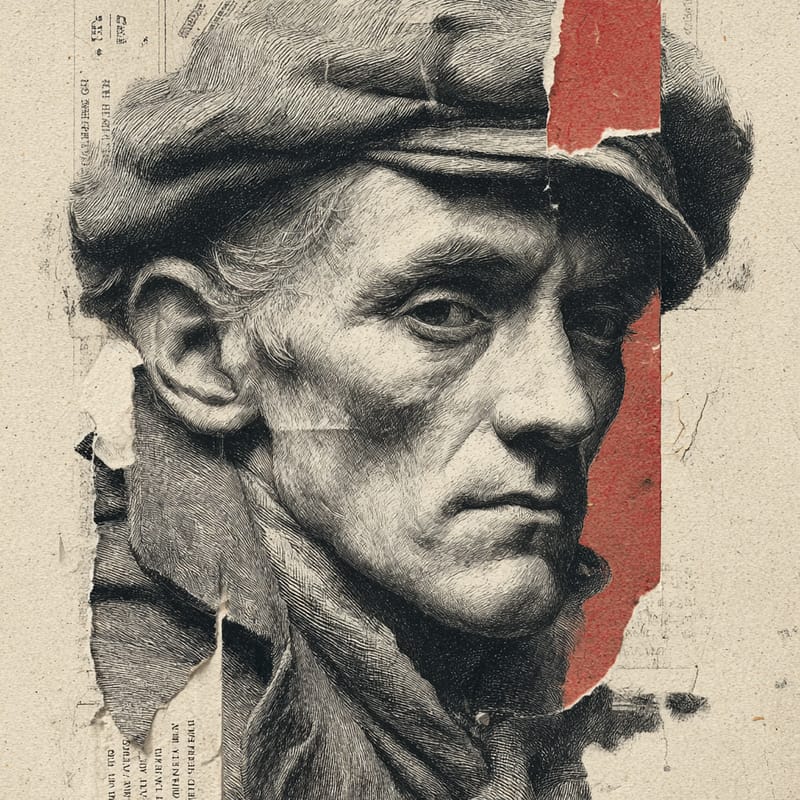
Stephen Blackpool (illustrative)
The honest hand
Dickens's conscience of labour.
Reformist SyndicalistOne of 729 ideologies · enter the Syndicalist hall →- Role
- Mill worker (fiction)
- From
- Hard Times
- Region
- England
- Social band
- Reformist
- Placement
- −72 · −28 · +40
§ Where Stephen Blackpool (illustrative) stands
3 axesThrough Stephen, Dickens indicts the capitalism of Coketown, where Bounderby treats his hands as interchangeable units and claims that every grievance is a wish to be fed turtle soup and venison with a gold spoon. Confronting Bounderby in Book Two, Stephen insists that neither force nor letting things alone will mend the workers' plight, rejecting the laissez-faire orthodoxy of the age.
Stephen resists coercion from every side. He will not inform on the union for Bounderby, yet he also refuses to obey the union orator Slackbridge, and he accepts being sent to Coventry by his fellow workers rather than break his word. His stand embodies the rank-and-file conscience that syndicalists hoped would govern a workers' society from below.
Dickens makes Stephen the dignified, long-suffering face of the industrial poor. His trap in a ruined marriage attacks divorce laws that only the rich could use before the reform of 1857, and his decency exposes the Gradgrind philosophy of facts that starves imagination and fellow feeling. The novel's sympathy is humane and moral rather than revolutionary.
How close are you to Stephen Blackpool (illustrative)?
Three statements, one per axis. Answer them and we’ll drop you on the compass next to them.
§ The story
FictionStephen Blackpool is a power-loom weaver in Charles Dickens's novel Hard Times, serialised in Dickens's weekly magazine Household Words in 1854. He works in Josiah Bounderby's mill in the smoky northern town of Coketown, is trapped in marriage to a drunken wife whom the law will not let a poor man divorce, and loves the gentle Rachael. Because of a promise he refuses to join the union and is shunned by his fellow workers, then sacked by Bounderby for speaking frankly about the hands' lives.
Falsely suspected of a bank robbery committed by Tom Gradgrind, Stephen falls into a disused mine shaft on his way back to clear his name and dies soon after being rescued. Dickens used him to attack the utilitarian political economy of the 1850s, which reduced workers to numbers, while also portraying the union orator Slackbridge as a demagogue. Critics from John Ruskin to F. R. Leavis have debated the novel's view of labour, and Stephen endures as literature's emblem of the decent worker failed by masters and movements alike.
Notable for
- 01Figure in 'Hard Times'
- 02The honest labouring everyman
- 03Critique of industrialism
Key works & moments
- 1854Dickens serialises Hard Times in Household Words, introducing the weaver Stephen Blackpool.
- Book OneBounderby tells Stephen that divorce is beyond the means of a working man.
- Book TwoRefusing to join the union, he is shunned by his fellow hands, then sacked by Bounderby.
- Book ThreeFalsely accused of robbery, he falls into the Old Hell Shaft and dies after rescue.
- 1860John Ruskin praises Hard Times in the essays later published as Unto This Last.
- 1948F. R. Leavis hails Hard Times as a moral fable in The Great Tradition.
§ Minds closest to Stephen Blackpool (illustrative)
All minds →
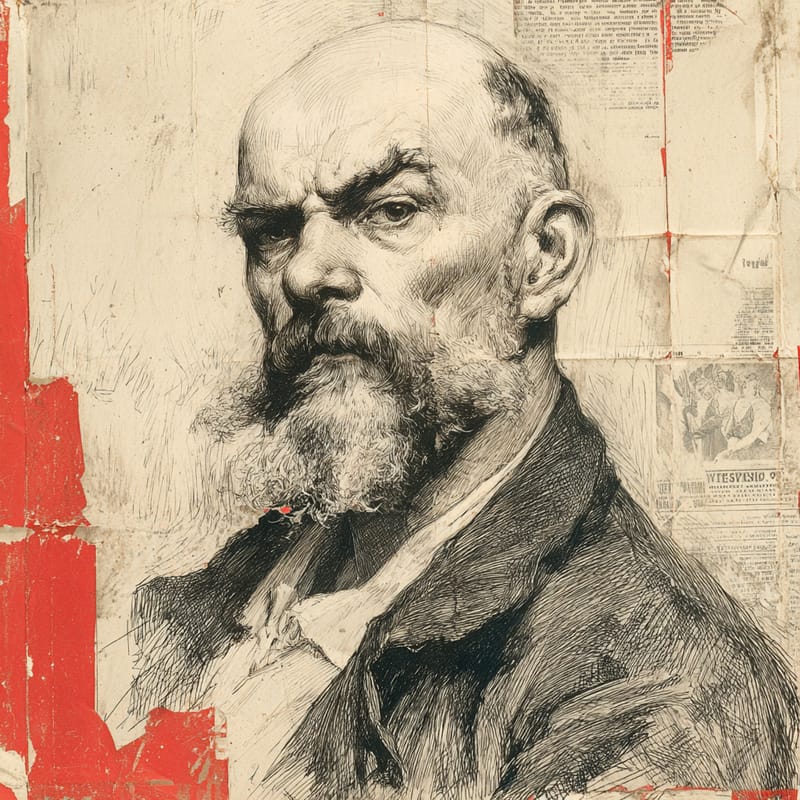
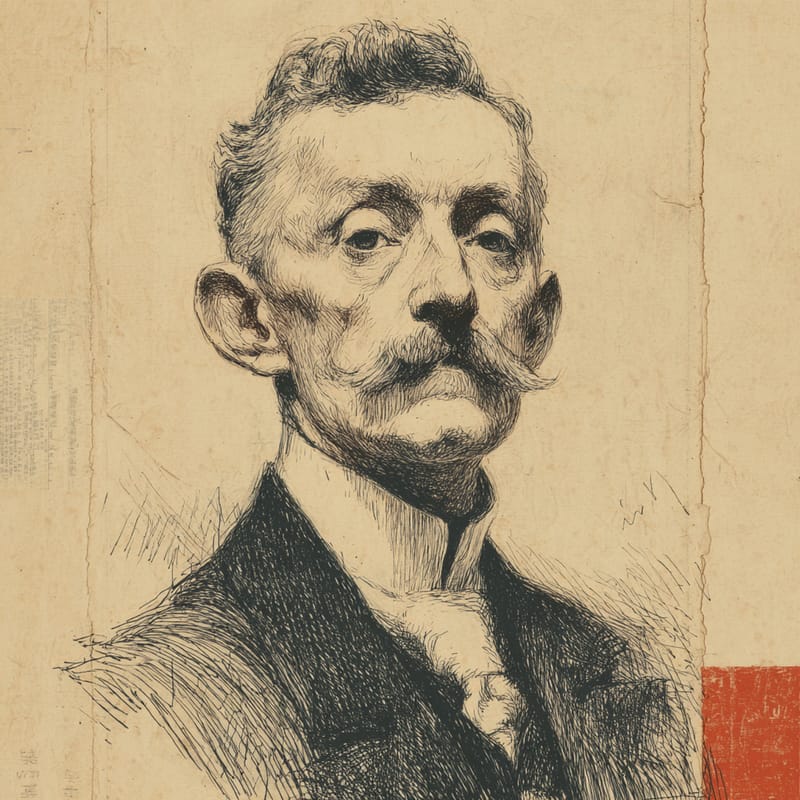
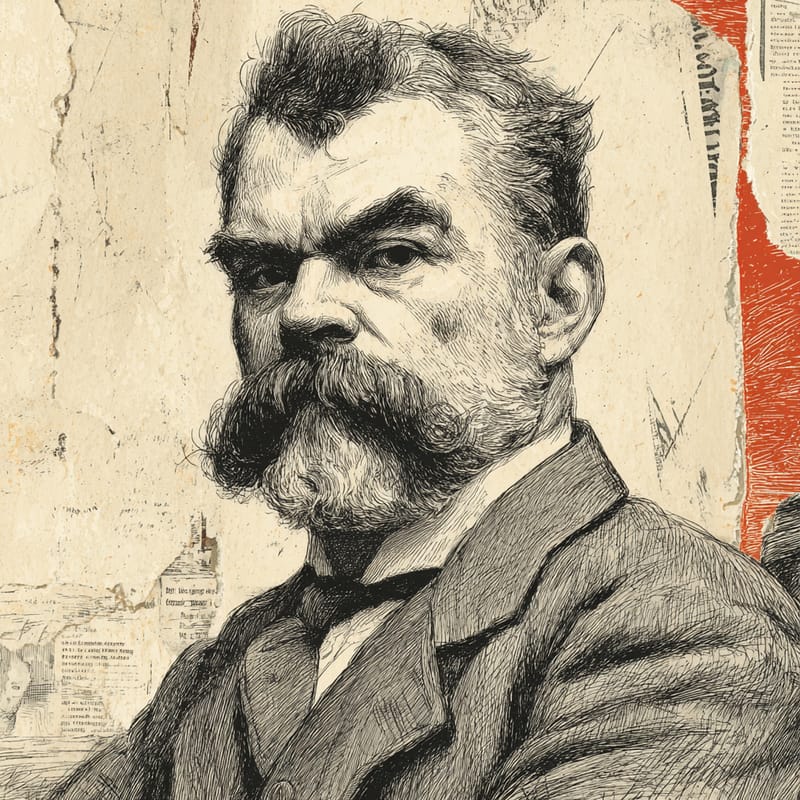

§ Also in the Syndicalist hall
Enter the hall →§ Common questions
4 answersWhat is Stephen Blackpool's political ideology?
Stephen Blackpool holds no formal ideology, but he embodies the decent worker crushed by industrial capitalism: on the 99ideologies three-axis compass, a Reformist Syndicalist. Economically he sits well to the left (−72), as Dickens uses him to condemn the exploitation and laissez-faire economics of Coketown. On governance he leans libertarian (−28), refusing coercion from both his employer and the union. Socially he is progressive (+40), the humane face of a novel that attacks class-bound divorce laws and utilitarian contempt for the poor.
Is Stephen Blackpool left-wing or right-wing?
Left-leaning in sympathy rather than in programme. Stephen's story condemns the mill-owner Bounderby and the political economy that treats workers as figures, which places the character on the side of labour. But Dickens deliberately keeps him out of the union and makes its orator a demagogue, so Stephen stands for conscience and dignity rather than organised socialism; his recurring verdict on the industrial system is that it is all a muddle.
Why does Stephen Blackpool refuse to join the union in Hard Times?
Because of a promise. Stephen tells his fellow workers that he has given his word not to join, a promise the novel links to Rachael, and he keeps it even when the union orator Slackbridge brands him a traitor and the other hands stop speaking to him. Critics have long debated the choice: some see Dickens's distrust of trade unions, others a portrait of individual conscience. Bounderby then sacks him anyway, leaving Stephen rejected by masters and men alike.
Which minds are closest to Stephen Blackpool (illustrative)?
On the 99ideologies three-axis compass, the minds closest to Stephen Blackpool (illustrative) are Victor Griffuelhes (97% alike), Georges Sorel (97% alike) and Big Bill Haywood (96% alike). The furthest is Adam Sutler (4% alike).