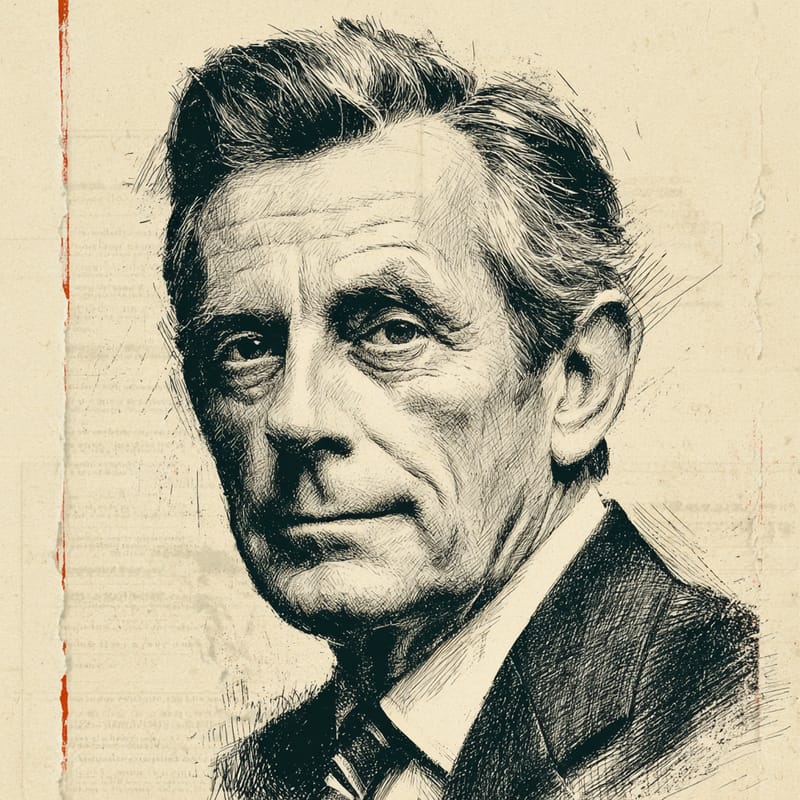
Gerhard Schröder
Agenda 2010
The Neue Mitte — Germany's new middle.
Heterodox Third-Way LabouriteOne of 729 ideologies · enter the Third-Way Labourite hall →- Role
- Chancellor
- Era
- b. 1944
- Region
- Germany
- Social band
- Heterodox
- Placement
- +8 · +24 · +28
§ Where Gerhard Schröder stands
3 axesSchröder governed as a market-minded social democrat. His 2000 tax reform cut income and corporate tax rates, and his Agenda 2010, launched in 2003, loosened job protection and, through the Hartz IV reform of 2005, merged long-term unemployment aid with social assistance at a lower level. He preserved the core of Germany's social insurance state and co-determination, which keeps him just right of centre.
Schröder was a forceful chancellor who imposed reforms on a reluctant party, tying a 2001 vote on deploying troops to Afghanistan to a confidence motion and deliberately losing another confidence vote in 2005 to force an early election. Under him Germany joined the 1999 Kosovo air war, its first combat mission since 1945, though in 2002 he refused to back a war in Iraq.
In coalition with the Greens, Schröder's government modernised German social law. The 2000 citizenship reform gave many children born in Germany to foreign parents a claim to citizenship, registered partnerships for same-sex couples followed in 2001, and a phase-out of nuclear power was agreed with the energy industry in 2000, alongside new support for renewable energy.
How close are you to Gerhard Schröder?
Three statements, one per axis. Answer them and we’ll drop you on the compass next to them.
§ The story
LivingGerhard Schröder (b. 1944) was chancellor of Germany from 1998 to 2005. Born in Lippe in 1944, he never knew his father, who was killed in the Second World War that year; he grew up poor, trained as a salesman and gained his school qualifications at evening classes before studying law at Göttingen. He led the Social Democrats' youth wing, the Jusos, from 1978 to 1980, entered the Bundestag in 1980 and was minister-president of Lower Saxony from 1990 until he defeated Helmut Kohl in 1998.
Leading the first federal coalition of Social Democrats and Greens, Schröder promised a Neue Mitte, or new centre, and in 1999 issued a joint Third Way paper with Tony Blair. His Agenda 2010 reforms, including the Hartz IV merger of unemployment and welfare benefits, divided the SPD, helped spawn the party that became Die Linke and are often credited with Germany's later fall in unemployment. He refused to join the 2003 Iraq War. After leaving office he took senior posts with Russian-backed energy companies, including Nord Stream and Rosneft, drawing wide criticism, especially after Russia's 2022 invasion of Ukraine.
Notable for
- 01Agenda 2010 labour reforms
- 02'Neue Mitte' centrism
- 03Opposed the Iraq War
Key works & moments
- 1998Defeats Helmut Kohl and forms Germany's first federal coalition of Social Democrats and Greens.
- 1999Germany joins NATO's Kosovo air war; he issues a Third Way paper with Tony Blair.
- 2002Wins re-election narrowly after campaigning against a war in Iraq.
- 2003Announces Agenda 2010, a programme of labour-market and welfare reforms.
- 2005Narrowly loses an early federal election; Angela Merkel succeeds him.
- 2017Becomes chairman of the board of the Russian state oil company Rosneft.
§ Minds closest to Gerhard Schröder
All minds →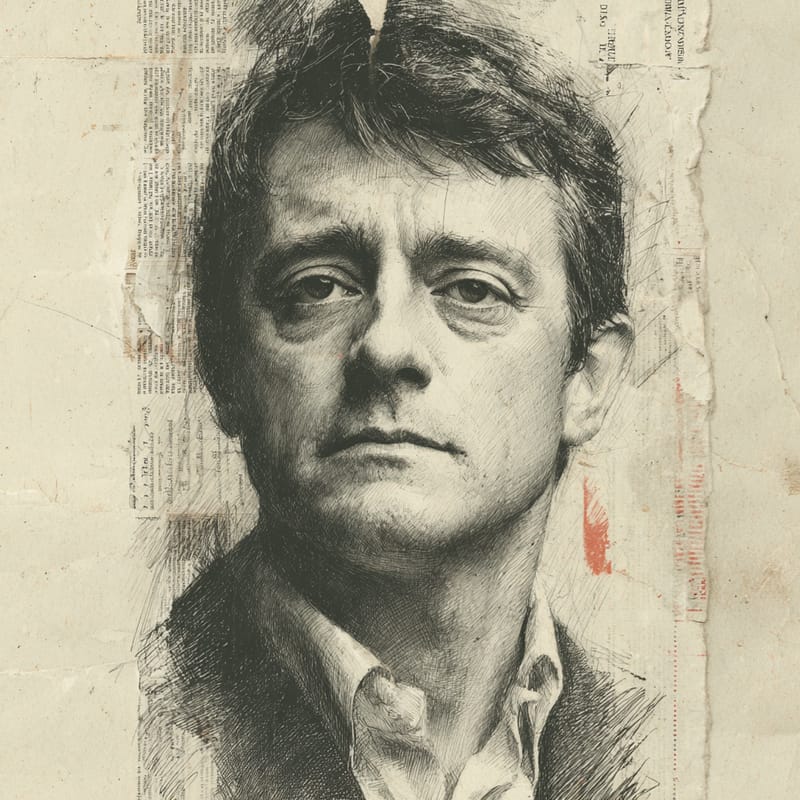

§ Also in the Third-Way Labourite hall
Enter the hall →§ Common questions
4 answersWhat is Gerhard Schröder's political ideology?
Gerhard Schröder is a Third Way social democrat whose Neue Mitte was Germany's counterpart to New Labour: on the 99ideologies three-axis compass, a Heterodox Third-Way Labourite. Economically he sits just right of centre (+8), having cut taxes and liberalised the labour market through Agenda 2010 while keeping Germany's social insurance model. On governance he leans towards a strong executive (+24), forcing reforms through a reluctant party, and socially he is progressive (+28), from citizenship reform to same-sex partnerships.
Is Gerhard Schröder left-wing or right-wing?
Centre-left by party and record, but a moderniser who often clashed with the left. Schröder led the SPD and governed with the Greens, legislated for registered partnerships and a nuclear phase-out, and opposed the Iraq War. Yet his tax cuts and Hartz welfare reforms were attacked by unions and the party's left as a betrayal of social democracy, and his later work for Russian energy companies alienated much of his own party.
What were Gerhard Schröder's Agenda 2010 reforms?
Agenda 2010 was the package of labour-market and welfare reforms Schröder announced in March 2003, when unemployment was high and growth weak. Drawing on the Hartz commission, it loosened job protection in small firms, encouraged low-paid mini-jobs, shortened unemployment benefit and, from 2005, merged long-term unemployment aid with social assistance as Hartz IV. Supporters credit it with Germany's later jobs boom; critics blame it for a growing low-wage sector, and it split the SPD.
Which minds are closest to Gerhard Schröder?
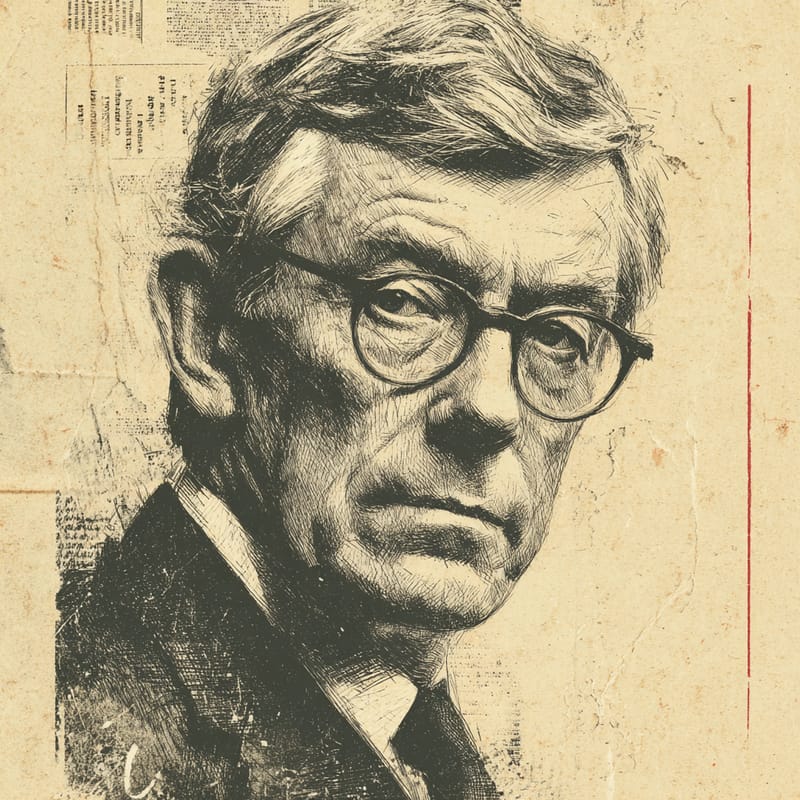
On the 99ideologies three-axis compass, the minds closest to Gerhard Schröder are Matteo Renzi (99% alike), Wim Kok (98% alike) and Josiah Bartlet's centrists (archetype) (98% alike). The furthest is Hans-Hermann Hoppe (33% alike).