
Joseph Sobran
The reluctant anarchist
From the old right to anti-statism.
Traditional Paleo-LibertarianOne of 729 ideologies · enter the Paleo-Libertarian hall →- Role
- Columnist
- Era
- 1946–2010
- Region
- United States
- Social band
- Traditional
- Placement
- +88 · −54 · −60
§ Where Joseph Sobran stands
3 axesSobran defended free markets and private property and attacked the income tax, the welfare state and federal spending as departures from the Constitution's enumerated powers. In his essay The Reluctant Anarchist (2002) he went further, concluding that even law and defence could be supplied without a coercive state, a position long argued by Murray Rothbard.
Sobran began as a constitutional conservative who admired the Founders' limited government, but he came to believe the Constitution had failed to restrain Washington. He opposed the 1991 Gulf War and the 2003 invasion of Iraq, and by 2002 he called himself a reluctant anarchist who saw the state as inherently predatory.
On social questions Sobran was a firm Catholic traditionalist. He wrote extensively against abortion, collecting essays in Single Issues (1983), and was a long-time contributor to the Human Life Review, while attacking feminism, the sexual revolution and secular liberalism. He saw family, church and inherited morality as the real foundations of social order, far more than any government.
How close are you to Joseph Sobran?
Three statements, one per axis. Answer them and we’ll drop you on the compass next to them.
§ The story
HistoricalMichael Joseph Sobran Jr. (1946–2010) was an American columnist and essayist. Born in Michigan and educated at Eastern Michigan University, he joined William F. Buckley Jr.'s National Review in 1972 and spent more than two decades there, many of them as a senior editor, while also writing a nationally syndicated newspaper column. A devout Catholic and a gifted stylist, he became one of the best-known writers of the American conservative movement in the 1970s and 1980s.
His path then ran from the conservative mainstream to its fringes. Columns criticising Israel and American support for it drew charges of antisemitism, examined at length in Buckley's In Search of Anti-Semitism (1992), and Buckley dismissed him in 1993. Sobran went on to publish his own newsletter, argued in Alias Shakespeare (1997) that the Earl of Oxford wrote Shakespeare's works and in 2002 declared himself a reluctant anarchist. That same year he addressed a conference of the Institute for Historical Review, a Holocaust-denial organisation, which deepened his isolation.
Notable for
- 01'The Reluctant Anarchist'
- 02Old-right essayist
- 03Anti-statist columns
Key works & moments
- 1972Joins National Review, later becoming one of its senior editors.
- 1983Publishes Single Issues, essays on abortion and other social questions.
- 1993Is dismissed from National Review by William F. Buckley Jr. after a dispute over his writings on Israel.
- 1997Publishes Alias Shakespeare, arguing that the Earl of Oxford wrote Shakespeare's works.
- 2002Publishes The Reluctant Anarchist, abandoning faith in limited constitutional government.
§ Minds closest to Joseph Sobran
All minds →




§ Also in the Paleo-Libertarian hall
Enter the hall →The closest minds above are this hall’s whole roster.
§ Common questions
4 answersWhat was Joseph Sobran's political ideology?
Joseph Sobran was a paleoconservative who became a self-described reluctant anarchist: on the 99ideologies three-axis compass, a Traditional Paleo-Libertarian. Economically he sat close to the free-market pole (+88), opposing the income tax and the welfare state. On governance he was clearly libertarian (−54), concluding by 2002 that the state could not be kept within limits. Socially he was strongly traditional (−60), a Catholic opponent of abortion, feminism and the sexual revolution.
Was Joseph Sobran left-wing or right-wing?
Right-wing. Sobran spent more than two decades at National Review, the flagship of American conservatism, and his free-market economics, Catholic traditionalism and opposition to abortion all placed him firmly on the right. After his 1993 break with Buckley he moved to the paleoconservative and paleolibertarian fringe, combining anti-war politics and anarchism with cultural conservatism, so he ended his career outside the conservative mainstream but still on the right.
Why was Joseph Sobran fired from National Review?
Because William F. Buckley Jr. concluded that Sobran's columns on Israel and its American supporters had crossed into antisemitism. His writing in the 1980s, attacking American support for Israel, provoked complaints from Jewish and conservative leaders, and Buckley examined the affair at length in his 1992 book In Search of Anti-Semitism before parting with him in 1993. Sobran insisted he was criticising policy, not Jews. His appearance at a 2002 conference of the Institute for Historical Review, a Holocaust-denial group, confirmed his estrangement from mainstream conservatism.
Which minds are closest to Joseph Sobran?
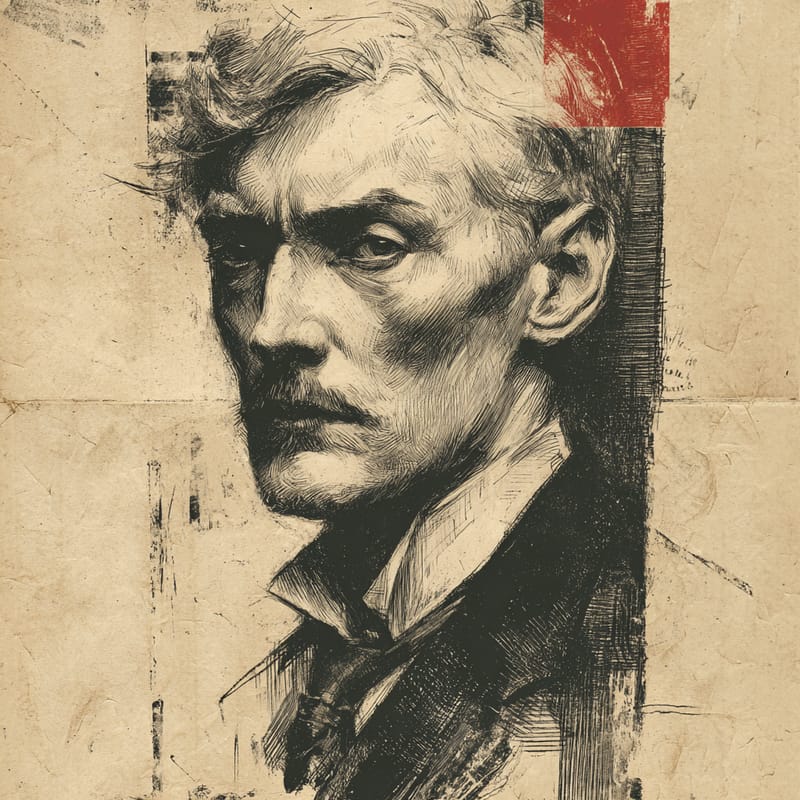
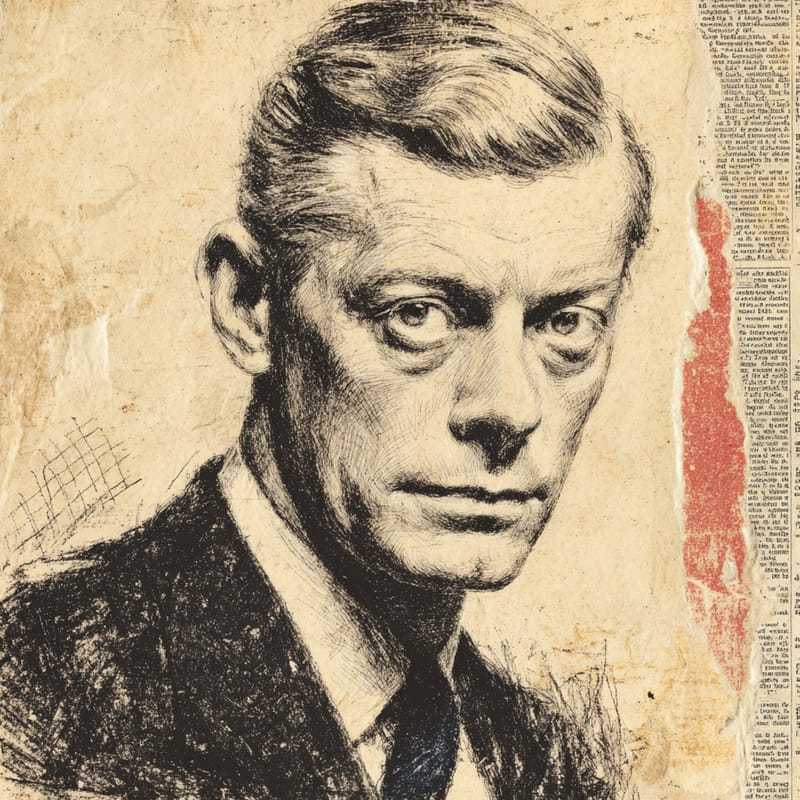
On the 99ideologies three-axis compass, the minds closest to Joseph Sobran are Gary North (98% alike), The Covenant Community (archetype) (98% alike) and Llewellyn 'Lew' Rockwell (97% alike). The furthest is Pol Pot (0% alike).