99ideologies|EDITION 2026 · V0.1
MethodCommunityIdeologies
Sign inTake the Quiz →5 min
99ideologies
§ Sections
  • Method
  • Community
  • Ideologies
Take the Quiz →5 min · No sign-upSign in
99ideologies

A non-partisan project. Funded by readers, not advertisers.

§ Read
MethodAll 90 Ideologies
§ Project
PrivacyTermsConsent Preferences
Edition 2026 — V0.1
Non-partisan · Advertising-free · Editorially independent
§ PlacementR5 · C2 · Row 5, Column 2Share result →Market Socialist
Socialist · Balanced · Radical

Market
Socialist

withRadicalsocial values

Hungary's Worker Self-Management period (1956–1968) under János Kádár represents Market Socialism. Enterprises were granted autonomy, worker councils managed production, and market-like mechanisms were introduced while maintaining state control over major industries. Though politically a single-party state, its economic model allowed decentralized decision-making and limited market activity, distinguishing it from full command economies.
Auth — LeftAuthoritarianAuth — Right
Auth — LeftEconomic LeftLib — Left
Auth — RightEconomic RightLib — Right
Lib — LeftLibertarianLib — Right
ProgressiveAnti-woke
WokeConservative
Auth — LeftAuthoritarianAuth — Right
Auth — LeftEconomic LeftLib — Left
Auth — RightEconomic RightLib — Right
Lib — LeftLibertarianLib — Right
ProgressiveAnti-woke
WokeConservative
§ Your axes
Economic
-67Socialist
SocialistMarket
Governance
+7Balanced
LibertarianAuthoritarian
Social
+75Radical
TraditionalProgressive
§ The company you keep
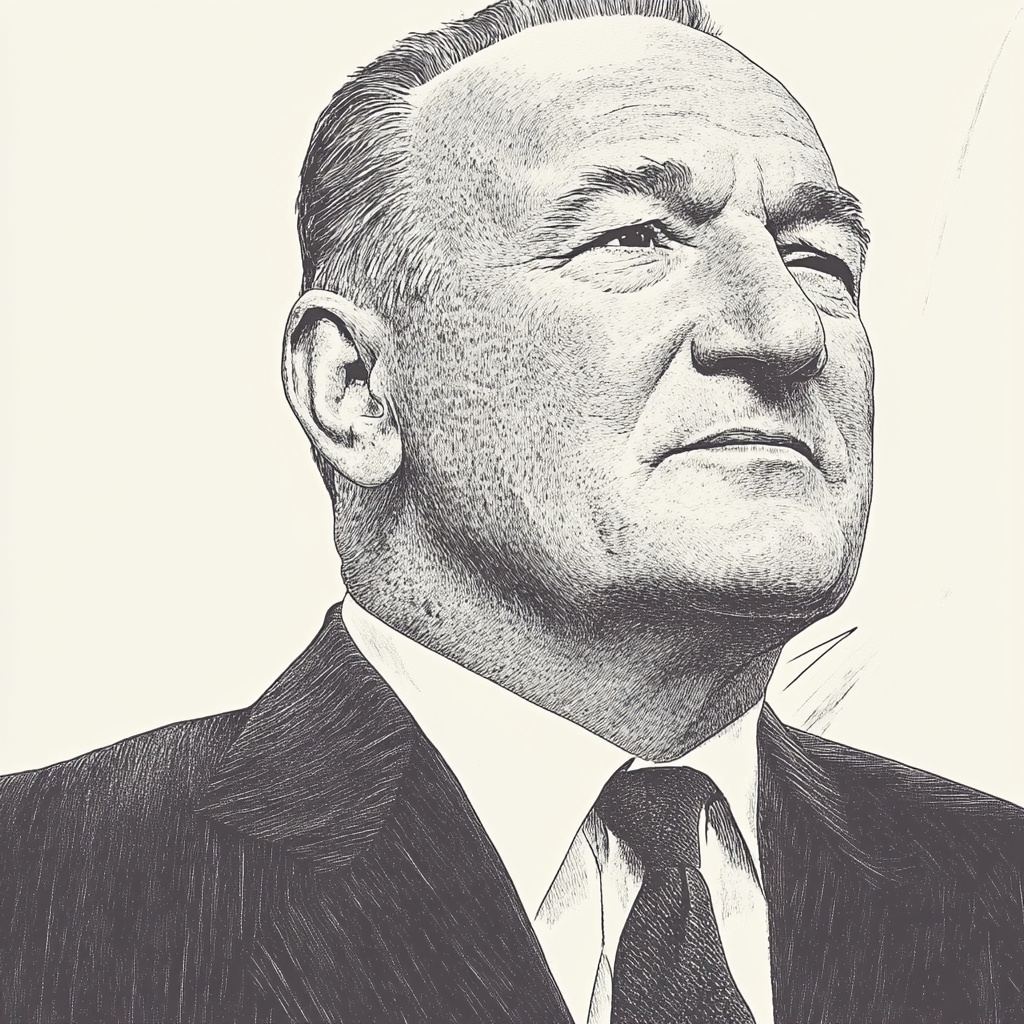
János Kádár

János Kádár

Historical figure

Hungary's Worker Self-Management period (1956–1968) under János Kádár represents Market Socialism. Enterprises were granted autonomy, worker councils managed production, and market-like mechanisms were introduced while maintaining state control over major industries. Though politically a single-party state, this economic model allowed decentralised decision-making and limited market activity (colloquially referred to as 'Goulash Communism'), distinguishing it from full command economies.

§ Read next

A reading list, not a scorecard.

CANON

After Capitalism

David Schweickart
Canon · 2002 · ~210 pp
CANON

A Future for Socialism

John Roemer
Canon · 1994 · ~180 pp
CRITIC

Socialism

Ludwig von Mises
Critic · 1922 · ~590 pp
§ Share / argue

Your result is yours.
Share it, or don't.

Your placement is one dot on a 9×9 grid. The conversation is where the interesting part lives — share your result, read what your cell is reading, or argue with the people on the opposite side.

Share →Market SocialistStart over
—
Kindred
—
Daily threads
—
Reading groups
—
Civility index